
Power System Definitive Feasibility Study
A Power System is the integration of four principal electrical components. These principal electrical components are the power generation station, the transmission network, the distribution power system and the loads.
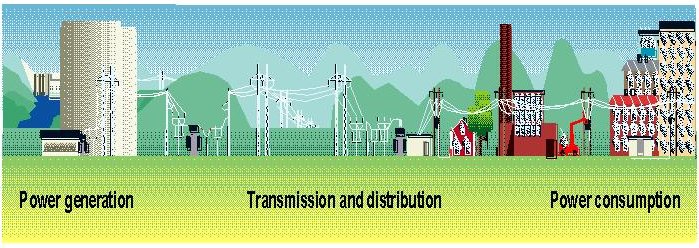
A power generation station
Power generation is the conversion of energy from one form of energy into electrical energy. The basic principle used to obtain electricity is by motion of a conducting wire in relation to the opposing poles of a magnet. The conversion process in the generation of electricity differs depending on the source of energy, the fuel, being used. Common sources of energy used in the generation of electricity are water (hydro), coal, diesel, heavy fuel oil, gas, solar, biomass, wind, and nuclear. Power generation is the initial process necessary in the provision of electricity to any consumer.
The transmission network
The transmission system transfers electricity from the generating units to the distribution system. The voltage out of the generating system is first boosted to hundreds of thousands of volts. Transmitting electricity at higher voltages reduces transmission losses. Power transmission lines can be classified as short, medium and long depending on the length of transmission line and the amount of voltages in transit.
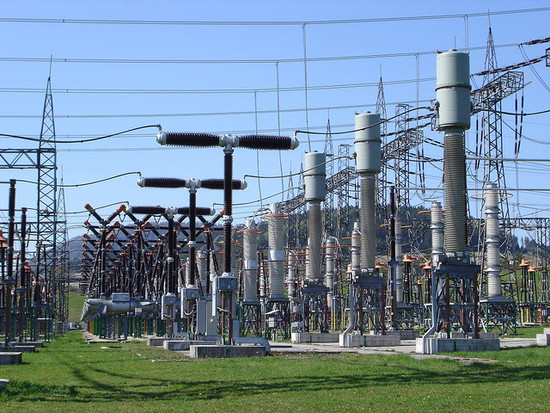
The distribution power system
Distribution systems steps down the high voltages from the transmission lines into lower voltages according to the requirements of consumers.
Critical components that makes up a Distribution Power System:
- Substation- this is a high-voltage electric system facility. It is used to switch transformers, equipment, and circuits or lines in and out of a system.
- Distribution Feeder Circuits- these are the connections between the output terminals of a distribution substation and the input terminals of primary circuits.
- Switches- these are used to redirect or cut-off power flows for load balancing.
- Protective Equipment- these consists of protective relays, cutout switches, disconnect switches, lightning arresters, and fuses.
- Primary Circuits- these are the distribution circuits that carry power from substations to local load areas.
- Distribution Transformers- these reduce the voltage of the primary circuit to the voltage required by customers.
- Secondaries- these are the conductors originating at the low-voltage secondary winding of a distribution transformer.
- Services- these are wires extending from the secondaries or distribution transformer to a customer’s location.
The loads
The loads are the end units that require power to perform useful action. Power system loads can be classified as industrial, commercial and residential loads.
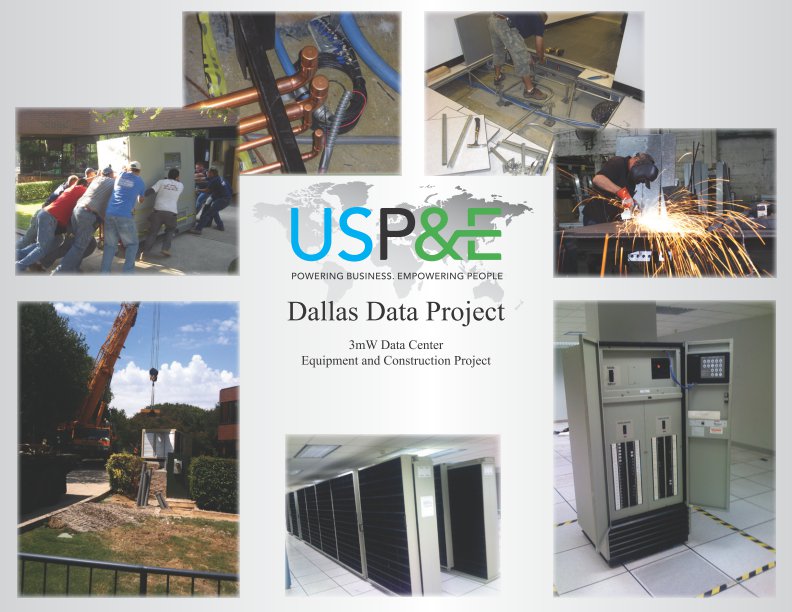
USP&E’s Power System Definitive Feasibility Study Practices
USP&E is proud to present Power System Definitive Feasibility Study for any consumer for any project. Our experienced team offers you a comprehensive study package of power generation, transmission, distribution and load analysis specific to your project. Email us, call us (469-726-4780 469-726-4780) or make your order today.