
Motor Starting Study
A Motor Starting Study determines the voltage, current, and starting time involved when starting large motors. This reveals the amount of voltage drop that will occur under standard starting settings. The Motor Starting Study also investigates how the voltage drop will affect the rest of the electrical equipment connected, for example, the drop voltages possibly cause the control relays not to hold.
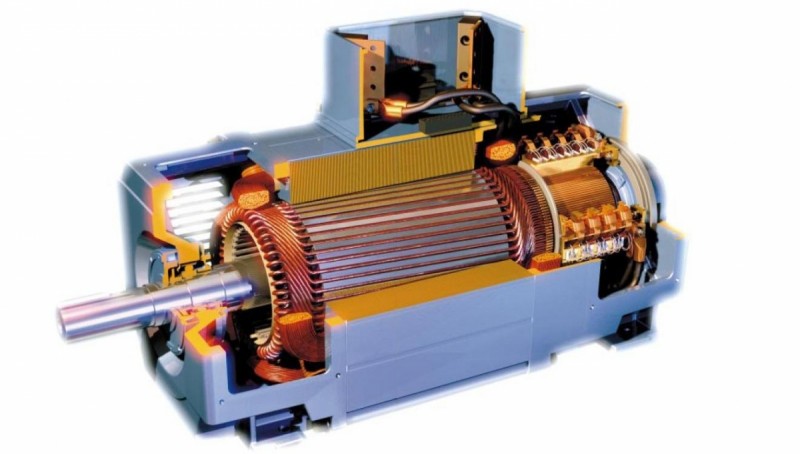 During start off, motors demand enormous supplies of inrush current. The inrush current exists for a short period of time yet can be as large as 5-7 times the usual running current. The starting torque varies directly as the square of the applied voltage. When a motor starts, it is essentially a Constant Impedance Load. Therefore, the high inrush current results in extreme voltage drops.
The motor dynamic characteristics vary based on the speed of the motor described by the following:
- The relationship of torque against speed
- The relationship of current against speed
- The relationship of power factor against speed
Motors also possess inertia that has to be overcome for them to run.
The load dynamic characteristics can be described by the following:
- The demands of the load torque on a motor usually vary with speed.
- The inertia of the load must be overcome
- The element of static friction of the load must be overcome. It manifests as a higher-than-expected initial torque demand.

Consequently the voltage drop possibly stalls or slows the motors or even prevents the motors from starting the driven load at all due to low starting torques. Such irregular motor operation profile shortens the life of the motor and disturbs other electrical equipment part of the system.
As part of the remedy, components like the variable speed drives are employed to overcome the initial low voltage circumstances. The Motor Starting Study also investigates the starting voltage swings under compensated settings.
A Motor Starting Study ought to be done prior to installation of large motors and when modifications to power supply are applied. It is recommended that a Motor Starting Study be done when the motor’s horsepower either surpasses 30% of the supply transformers base kVA rating or surpasses 10-15% of the supply generator kVA rating. Such a study is crucial to ensure that the electrical system can start the motors successfully.
USP&E Motor Starting Study Practices
A proper Motor Starting Study assists in determining the best technique of starting, the most suitable motor design, and the most appropriate system design for reducing the effects of the motor starting. For a professional Motor Starting Study today visit USP&E or call us on +27-11-064-5669 .